Part portfolio
Drawings, material grades, thickness distribution, lot variability, volumes, nesting constraints, and due-date mix establish the economic problem.
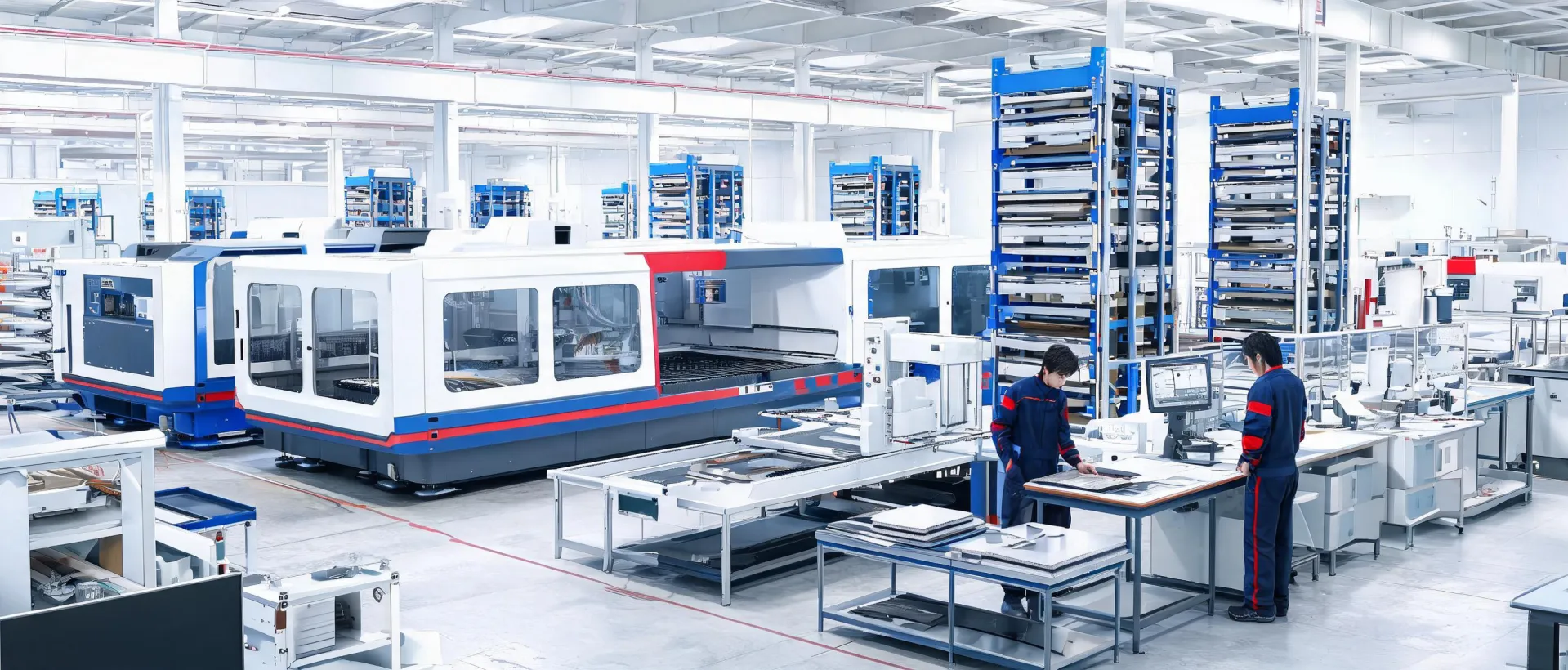
Founded in 1946, Amada developed around sheet-metal manufacturing. This site presents that engineering perspective conservatively: published performance is configuration-specific, application results depend on declared conditions, and a buyer should validate the whole route from incoming sheet to inspected part.
The roadmap is not a claim that every installation follows one sequence. It is a review structure for connecting product mix, process physics, cell logistics, and quality ownership before capital approval.
Drawings, material grades, thickness distribution, lot variability, volumes, nesting constraints, and due-date mix establish the economic problem.
Laser source, focus, nozzle, gas purity, pressure, pierce method, contour strategy, and thermal behavior define the test window.
Sheet presentation, pallet exchange, load/unload, sorting, remnants, buffers, and downstream bending determine realized throughput.
Measurement method, inspection frequency, revision ownership, operator training, and change triggers keep the released condition visible.
Amada's founding year provides the historical anchor. Exact corporate milestones and acquisitions should be checked against the current company record when used for procurement due diligence.
Standalone cutting, punching, and bending assets created repeatable machine operations, while production control still depended heavily on local scheduling and handling.
Programming, material storage, loading, cutting, unloading, and inspection became increasingly interdependent; bottlenecks could move outside the cutting envelope.
Digital records make revision, condition, alarm, and inspection data easier to connect, but only when ownership and acceptance rules are defined by the operating plant.
No customer or partner endorsement is implied here. The grid identifies the parties whose interfaces should be named in a project responsibility matrix.
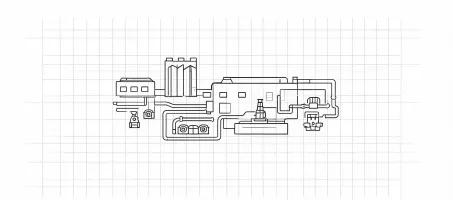
Floor, utilities, extraction, traffic, guarding, and installation readiness.
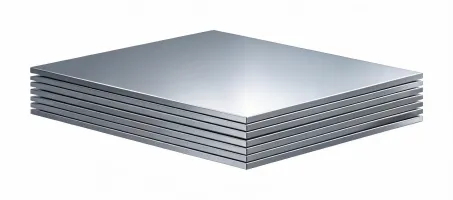
Grade, coating, flatness, thickness tolerance, surface state, and lot traceability.
Purity, pressure, flow, piping cleanliness, reserve capacity, and monitoring.
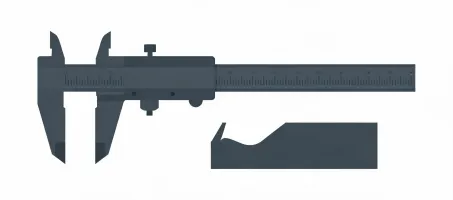
Feature definition, calibrated instruments, sampling, records, and release authority.
A project brief should identify who owns utilities, extraction, material qualification, programming, automation logic, inspection, training, and production release.